Source Outdoor Party Food Serving Tongs for Catering
Find 30 options for outdoor party food serving tongs designed for durability and heat resistance. Compare stainless steel and metal models with FDA and LFGB certifications. These practical utensils support OEM customization and are sourced from Guangdong, China; compare the available evidence and request quotations based on your requirements.
Key considerations
Products List


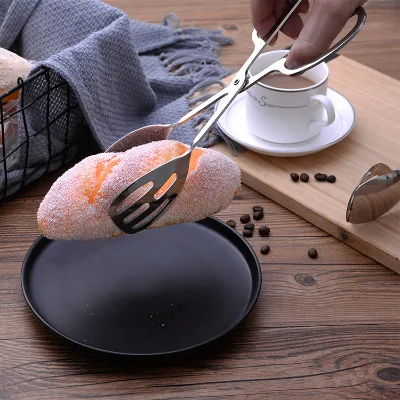


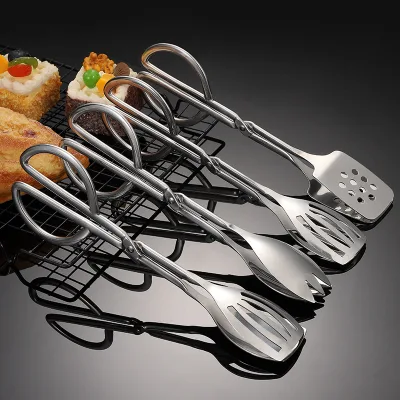


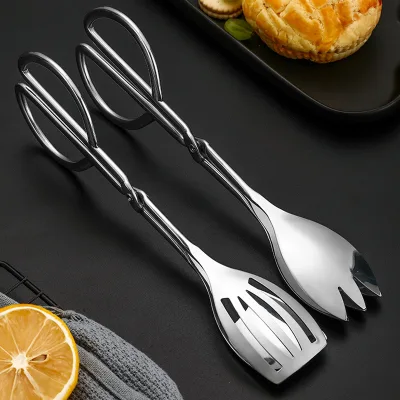


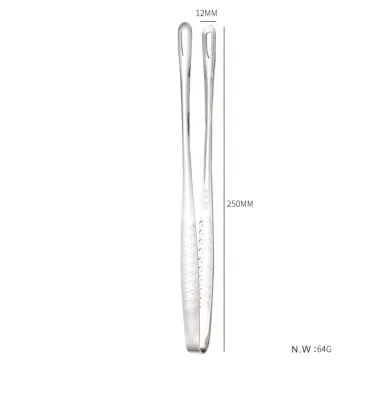



Comprehensive Sourcing Guide
Outdoor Party Food Serving Tongs Sourcing Guide
Procuring outdoor party food serving tongs requires balancing aesthetic appeal with rigorous functional durability, as these utensils must withstand repeated handling in variable weather conditions. The observed market data indicates a strong preference for stainless steel and metal constructions that offer high corrosion resistance, ensuring the tools remain hygienic and structurally sound despite exposure to moisture or acidic foods. Buyers should prioritize models explicitly labeled as durable and high-performance to guarantee they do not fail during high-volume service events where reliability is paramount.
Commercial listings reveal a diverse range of customization options, including OEM support and the ability to accept customized logos, which allows event organizers to brand their serving equipment effectively. The availability of specific models like ZHZ-0499 and SX-0176 suggests that buyers can select from various dimensions and finishing styles, such as chrome plating, to match specific event themes. However, the variation in packing methods, ranging from paper boxes to clam shells, necessitates careful review to ensure the chosen packaging protects the utensils during transit to remote outdoor venues.
Product Scope and Observed Listing Signals
The product scope for outdoor serving tongs encompasses a variety of sizes and configurations, with observed standard dimensions ranging from 7 inches to 12 inches, catering to different serving needs from individual portions to large buffet lines. Listings frequently highlight features such as heat resistance and sharpness, which are critical for handling hot foods or cutting through tougher items without compromising the user's safety or the food's integrity. The presence of eco-friendly and sustainable stocked attributes indicates a growing market trend toward environmentally conscious procurement, allowing buyers to align their purchasing decisions with broader sustainability goals.
Buyers must carefully distinguish between single-item selling units and bulk packaging options, as the observed data shows a mix of tie cards, clam shells, and cartons depending on the specific model and supplier. The color options, typically silver or gold, provide a neutral aesthetic that fits most outdoor settings, yet the availability of customized colors offers a unique opportunity for thematic consistency. It is essential to verify that the "high quality" and "very practical" claims observed in listings are backed by tangible specifications, such as the specific thickness measurements of 0.4mm or 0.6mm, which directly influence the tool's longevity and resistance to bending.
Technical Specifications to Verify
When evaluating technical specifications, the thickness of the metal is a primary indicator of structural integrity, with observed values of 0.4mm and 0.6mm representing the lower and upper bounds of the current market offerings. Buyers should verify that the selected thickness aligns with the intended frequency of use, as thinner gauges may be prone to deformation under heavy loads or repeated stress during outdoor service. The finishing process, specifically chrome plating, is a critical technical detail that enhances corrosion resistance and provides a smooth surface that is easy to clean, which is vital for maintaining hygiene standards in outdoor environments.
Dimensional accuracy is another crucial verification point, as observed standard sizes vary significantly from compact 11.7-inch models to larger 21-centimeter units, each serving different serving scenarios. The model numbers, such as CB-B0211 and SX-0183, serve as unique identifiers that buyers should cross-reference with physical samples to ensure the product matches the advertised specifications exactly. Additionally, the material composition, confirmed as stainless steel or general metal, must be validated to ensure it meets the high corrosion resistance requirements necessary for outdoor use where exposure to rain or humidity is inevitable.
Compliance and Safety Documentation
Safety compliance is non-negotiable for food serving utensils, and the observed listings confirm that many products carry FDA and LFGB certifications, which are essential for ensuring the materials are safe for direct food contact. Buyers must request current test reports or certificates of compliance to verify that the specific batch of tongs meets these rigorous safety standards, as these certifications protect against chemical leaching and ensure the utensils are non-toxic. The presence of these certifications is particularly important for outdoor events where food safety regulations may be strictly enforced by local health authorities.
Beyond material safety, the documentation should also address the manufacturing standards and quality control processes employed by the supplier. While ISO 9001 is mentioned in background knowledge, buyers should focus on verifying the specific test results provided for the product, such as the FDA/LFGB test data, rather than relying on general industry standards. Ensuring that the supplier can provide clear, verifiable documentation for every shipment is a critical step in mitigating liability risks and maintaining the trust of event attendees who rely on the safety of the serving equipment.
Cost Drivers and Commercial Terms
The cost of outdoor party food serving tongs is influenced by several key drivers, including the material grade, the complexity of the chrome plating process, and the extent of customization required for logos or colors. The observed price range of 0.22 to 4 USD reflects the significant variance between basic, unbranded models and premium, highly customized units with enhanced durability features. Buyers should analyze the total cost of ownership, considering that higher initial costs for thicker, more durable tongs may result in lower replacement costs over time, especially for frequent outdoor events.
Commercial terms such as Minimum Order Quantity (MOQ) and lead times are critical factors in procurement planning, with observed MOQs ranging from 50 to 3000 units and lead times extending up to 45 days. The sample time of 7 days offers a reasonable window for quality verification before committing to a large order, but buyers must account for the longer production lead times when scheduling event logistics. Understanding these terms helps in negotiating favorable conditions, such as staggered deliveries or flexible payment schedules, to manage cash flow and inventory levels effectively.
Supplier Qualification and Quality Control
Supplier qualification should focus on verifying the origin of the products, as observed data points to manufacturers in Guangdong and Yangjiang, China, which are known hubs for metal utensil production. Buyers must assess the supplier's capacity to support OEM and ODM requests, ensuring they have the infrastructure to handle custom branding and specific design requirements without compromising on quality. The ability to provide samples within a 7-day window is a strong indicator of a responsive and efficient supplier, allowing for rapid iteration and quality checks before mass production begins.
Quality control protocols must be rigorous, with a specific emphasis on verifying the "high quality" and "durable" claims through physical inspection of sample units. Buyers should request detailed information on the finishing processes and corrosion resistance testing to ensure the tongs will withstand the rigors of outdoor use. Establishing a clear communication channel for quality assurance is essential, as it allows for immediate resolution of any discrepancies between the ordered specifications and the delivered products, ensuring that the final shipment meets all performance expectations.
Long-Term Procurement Checks
Long-term procurement success depends on establishing a reliable supply chain that can consistently deliver high-performance tongs that meet evolving event requirements. Buyers should implement a system for tracking product performance over time, noting any issues related to corrosion, structural failure, or wear and tear to inform future purchasing decisions. The availability of sustainable stocked items suggests that suppliers are adapting to market trends, and maintaining a relationship with such forward-thinking partners can provide a competitive advantage in sourcing eco-friendly event supplies.
Regular audits of supplier performance and product consistency are necessary to maintain high standards and prevent supply chain disruptions. Buyers should periodically review the supplier's ability to meet lead times and maintain the quality of their chrome-plated, stainless steel products, ensuring that the "very practical" nature of the utensils remains consistent across different batches. By fostering a collaborative relationship with suppliers who support customization and adhere to strict safety certifications, buyers can secure a steady supply of reliable serving tools for their outdoor events.
FAQs
What materials are used for outdoor party food serving tongs?
These tongs are primarily constructed from stainless steel and metal to ensure durability and high corrosion resistance. The chrome-plated finish enhances longevity and makes them easy to clean. This material choice supports high-performance usage in home kitchen cooking or outdoor settings while maintaining a sharp and practical design for serving various food items.
Can I customize the logo on these serving tongs?
Yes, customized logos are acceptable for these products. The supplier supports OEM and ODM services, allowing buyers to add their branding. This customization option is available for various models, ensuring that businesses can tailor the utensils to their specific marketing needs while maintaining the high quality and practical features of the standard design.
What certifications do these tongs have for food safety?
These tongs hold FDA and LFGB certifications, ensuring they meet strict food safety standards. The materials are tested to be safe for direct food contact. This certification is crucial for buyers who need to guarantee that their kitchen utensils comply with international regulations, providing peace of mind for both commercial and home kitchen applications.
What is the lead time for ordering these tongs?
The standard lead time for production is 45 days. Buyers should plan their inventory accordingly to avoid delays. Additionally, sample time is typically 7 days, allowing for quick quality checks before bulk production. This timeline ensures that manufacturers can maintain high quality and durability standards while fulfilling large orders efficiently.
What packaging options are available for these serving tongs?
Packaging options include paper boxes, cartons, tie cards, and clam shells. The specific packaging depends on the model and buyer requirements. These options are designed to protect the tongs during shipping and storage. The durable construction of the tongs ensures they remain in high quality and performance condition until they reach the end user.
Are these tongs suitable for high-temperature cooking?
Yes, these tongs feature heat resistance, making them suitable for various cooking and serving tasks. The stainless steel and metal construction withstands high temperatures without deforming. This practicality ensures that the tongs remain sharp and durable even when used frequently in hot environments, providing reliable performance for both home and professional kitchen settings.